Ahmedabad Air India Plane Crash: What Is a Ram Air Turbine? Explained
Published: July 12, 2025 | The Hindu Bureau
A preliminary investigation by the Aircraft Accident Investigation Bureau has revealed that the Air India Boeing 787-8 crash near Ahmedabad on June 12, 2025 occurred after fuel supply to the aircraft’s two engines was cut off.
Since the engines are the primary power source — and the 787 is known for its highly electrified systems — the loss of engine power meant the aircraft lost its main electrical and hydraulic systems.
How Did the Pilots Respond?
CCTV footage from the airport shows that the aircraft deployed its Ram Air Turbine (RAT) in an attempt to regain limited power and maintain control long enough to steer the aircraft to safety.
What is a Ram Air Turbine (RAT)?
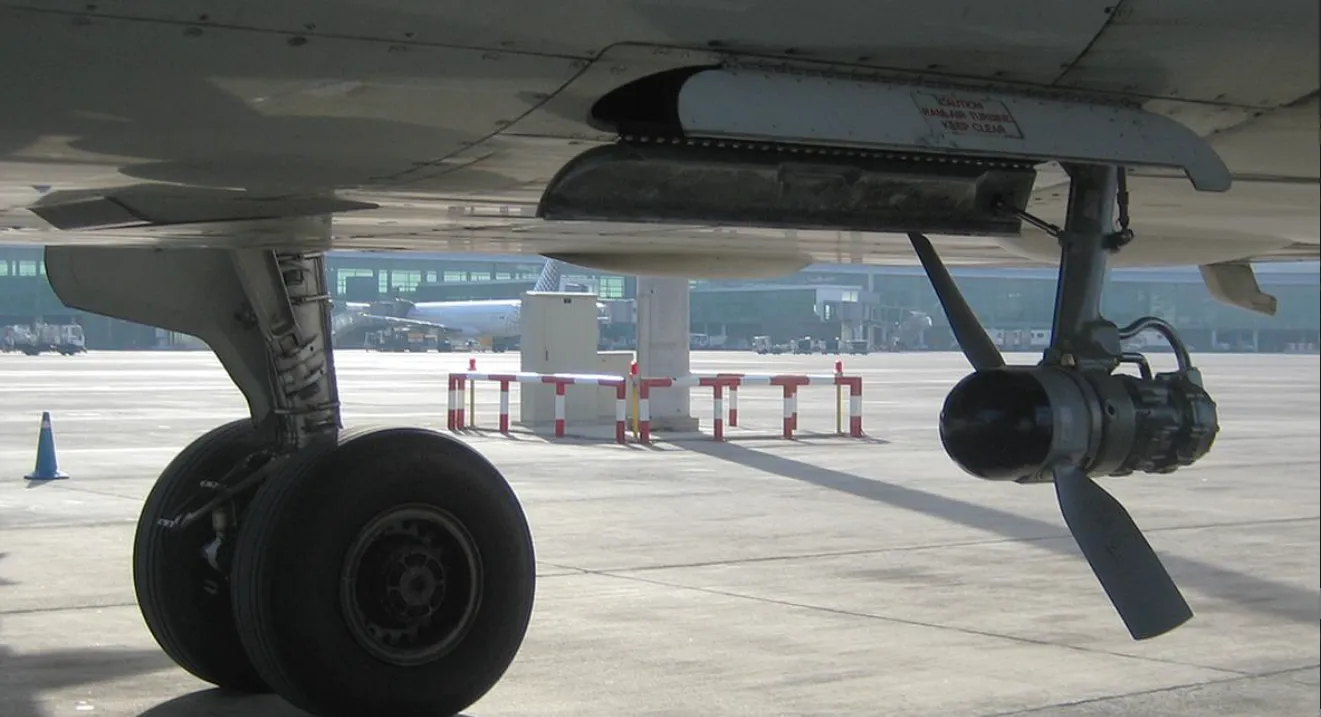
A Ram Air Turbine (RAT) is a small emergency device on many commercial and military aircraft. Its sole purpose is to provide emergency power when the plane’s main engines — and therefore its main electrical and hydraulic systems — fail.
Here’s how it works:
-
Under normal conditions, the RAT is stored inside the plane, typically in the wing or fuselage.
-
If the engines stop producing power, the RAT automatically or manually deploys into the airstream.
-
The forward motion of the plane pushes air past the RAT’s blades, causing them to spin.
-
The spinning turbine powers a generator or hydraulic pump, providing just enough electricity or pressure to operate the essential flight controls, basic cockpit instruments, radios, and communication systems.
Key Facts About the RAT
-
The RAT is designed to keep the aircraft controllable until it can land safely.
-
It does not provide full power — only a minimal amount necessary for critical systems.
-
The RAT can deploy automatically when a major power failure is detected, but pilots can also trigger it manually if needed.
-
It is held in place by an up-lock mechanism inside a storage bay. When released, it swings out into the airflow, often aided by a spring-loaded actuator.
-
Some designs include struts to position the RAT in undisturbed airflow to improve its efficiency, especially during complex maneuvers like crosswind landings.
Why Was the RAT Used in the Ahmedabad Crash?
When the engines on the Air India Boeing 787-8 lost fuel supply and shut down, the aircraft lost its main power sources.
Deploying the RAT was an emergency measure to maintain control of the plane by generating just enough power for critical systems while the crew attempted to land or manage the situation.
In Summary
The Ram Air Turbine is a vital safety feature of modern aircraft, allowing pilots to retain control of the plane during a complete power failure. While it cannot replace the power of the engines, it provides enough support to help land the aircraft safely.
In the case of the Ahmedabad crash, the deployment of the RAT shows the pilots’ quick response to a severe emergency. The investigation into why the fuel was cut off is still ongoing.