Why Celebrate Christmas?
September 17, 2026

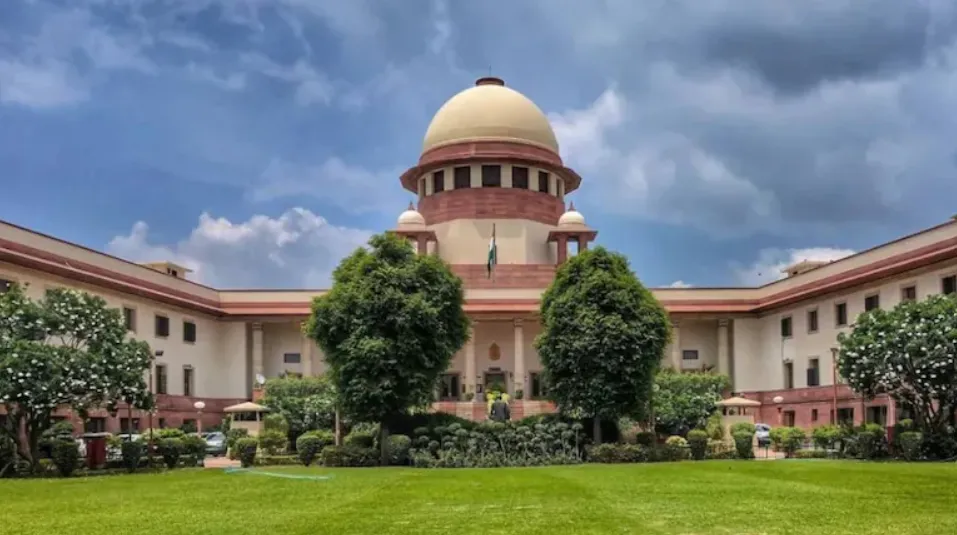
The Supreme Court of India has granted bail to Kommineni Srinivasa Rao, a senior journalist with Sakshi TV, following his arrest over a derogatory comment made by a guest on his televised show. The court strongly emphasized the importance of journalistic rights and freedom of speech, stating that Rao did not personally make the controversial remark.
Rao, 70, was arrested earlier this week after a panelist, VVR Krishnam Raju, a journalist and political analyst, made defamatory remarks about women from Amaravati, the capital region of Andhra Pradesh, during a televised debate. Rao’s arrest drew widespread criticism from media circles and rights advocates.
A bench comprising Justices PK Mishra and Manmohan questioned the basis of the FIR and Rao’s arrest.
"How can a case be against him when someone else made the statement?" the court asked.
The bench acknowledged that Rao did not personally make the defamatory comment, and added that:
"The petitioner’s journalistic rights need to be protected so that his freedom of speech is also protected."
The court directed that Rao be released on bail, subject to conditions imposed by the trial court. It also issued a caution: Rao should not himself make or allow defamatory statements on his program moving forward.
Appearing for the Andhra Pradesh government, senior advocate Mukul Rohatgi argued that Rao was complicit in the situation by “goading and abetting” the panelist and allegedly laughing instead of intervening. This, he claimed, amounted to tacit approval.
However, the bench pushed back.
“When someone makes an outrageous statement, we just laugh it off. That doesn’t make them co-conspirators,” said Justice Manmohan.
Justice Mishra added, “Every day this is happening,” referring to similar incidents across the media landscape.
While the bench granted Rao interim bail, it also scheduled the next hearing in eight weeks, allowing time for the legal arguments to evolve further.
The ruling is seen as a significant moment for media freedom in India, reaffirming that editors and hosts cannot be held criminally liable for every statement made by panelists on live programs — provided they do not directly endorse or incite the speech.
This case is expected to set a precedent for how freedom of the press and editorial responsibility are interpreted in the digital age.

September 17, 2026
September 17, 2026
September 17, 2026

September 17, 2026
September 17, 2026
September 17, 2026
September 17, 2026

September 17, 2026
September 17, 2026
September 17, 2026
No comments yet. Be the first to comment.